Comfort should feel effortless. Keeping it that way requires regular attention to the infrastructure behind it.
Most commercial HVAC equipment should be professionally serviced at least twice a year, typically before the cooling and heating seasons. Systems that run continuously, serve demanding environments, or maintain precise temperature and humidity conditions may need more frequent service.
The right schedule depends on the equipment, its workload, and the environment it supports.
Here’s how to determine the right frequency for your facility.
What Shapes Commercial HVAC Service Intervals?
Twice-yearly service provides a steady baseline for many commercial facilities, but calendar dates only tell part of the story. The precise operational demands placed on your systems carry equal weight.
A system supporting an office during standard business hours experiences a vastly different cadence than one backing a restaurant, cleanroom, healthcare facility, or continuous production floor.
When More Frequent Service May Be Necessary
Some commercial systems may benefit from quarterly or more frequent attention. That can include equipment dealing with:
- Continuous or extended operating hours
- Heavy occupancy
- Dust, humidity, or demanding environmental conditions
- Precise temperature or humidity requirements
- Heavy heating or cooling loads
- Age-related performance concerns
The greater the operational responsibility carried by your infrastructure, the more nuanced its care needs to be.
Different Components Require Different Schedules
Commercial HVAC maintenance rarely happens on a single timetable because different parts of the system require attention at different intervals.
Filters, Belts, and Routine Components
Filters may require inspection or replacement more frequently than the system needs comprehensive service. Belts, drains, coils, electrical connections, and other components have their own inspection and maintenance needs.
A tailored maintenance protocol aligns with these distinct lifecycles rather than applying a blanket routine to complex equipment.
Major HVAC Equipment
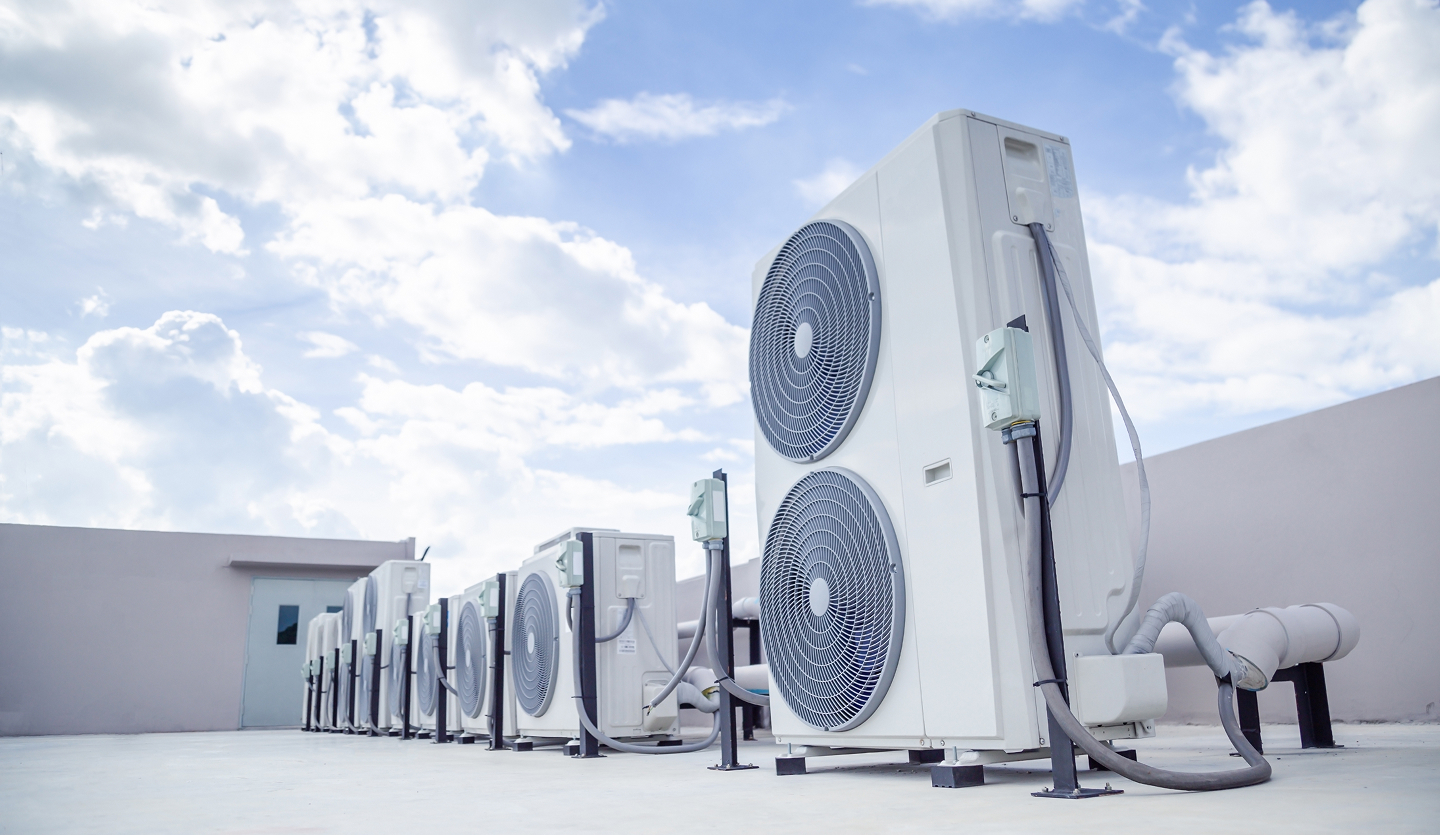
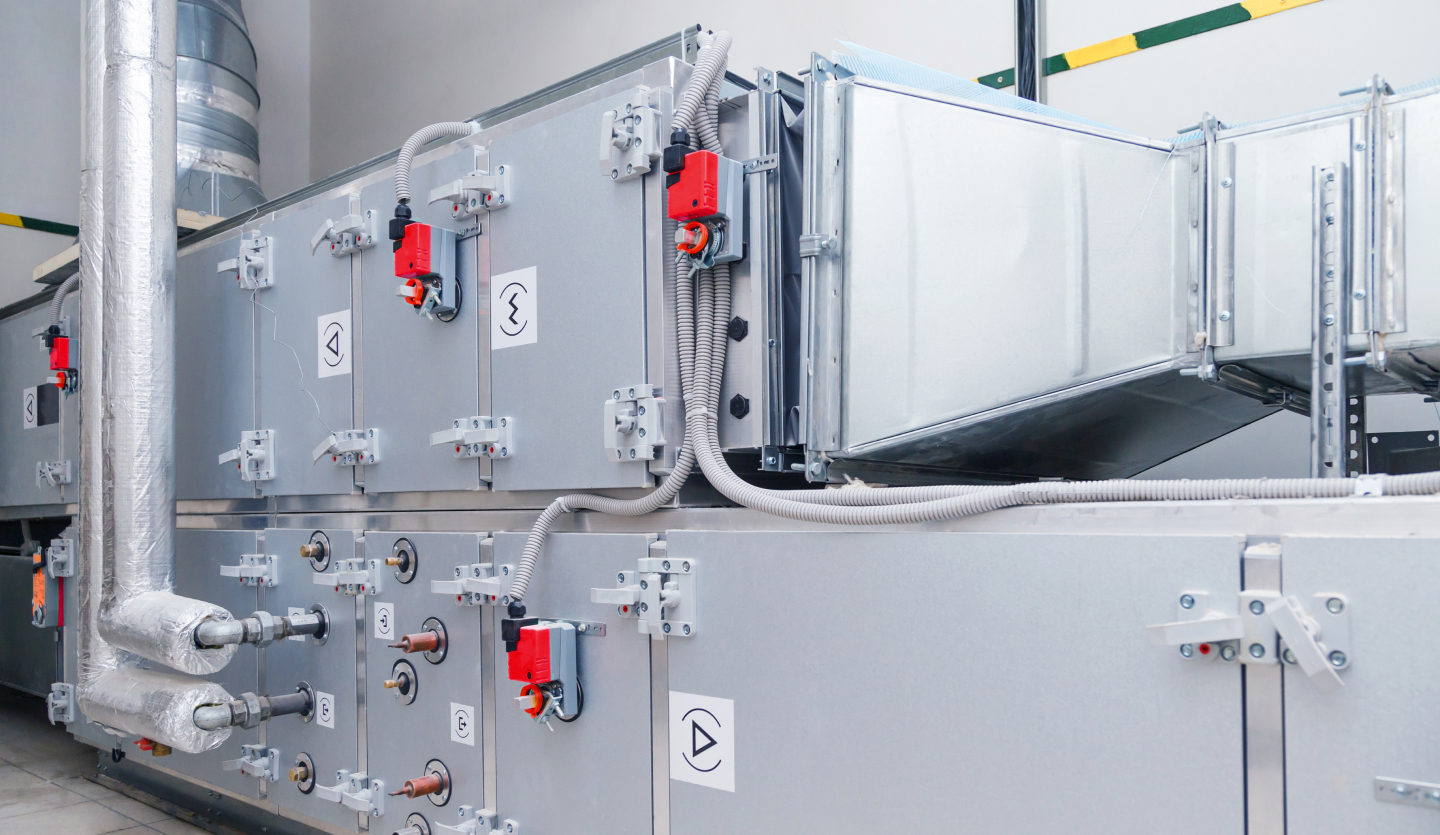
Rooftop units, boilers, chillers, air handlers, split systems, and other major equipment also have specific service requirements.
Manufacturer recommendations provide a useful baseline. Equipment age and maintenance history can then help determine whether that frequency should change over time.
Know When Equipment Needs Attention Between Visits
A maintenance schedule provides structure, but the equipment can tell you when it needs attention sooner.
Changes in temperature, airflow, humidity, energy consumption, equipment noise, or overall performance can indicate that service is needed before the next scheduled visit.
Maintenance records can reveal patterns, too. Recurring repairs or declining performance may indicate that an older or heavily used system needs more frequent attention.
How to Set the Right Schedule for Your Facility
Start with the equipment, then look at the environment it is responsible for maintaining.
Consider operating hours and the impact an interruption would have on the space. An HVAC issue in an office may disrupt comfort. In a facility where temperature or humidity affects inventory, equipment, customers, or operations, the same issue can have broader consequences.
For most commercial HVAC equipment, twice-yearly professional service is a practical starting point. Systems with heavier workloads, demanding environments, or greater consequences from downtime may require quarterly or more frequent attention.
The right cadence ensures that your essential infrastructure operates smoothly in the background, keeping the climate of your space completely seamless and assured.
CoolBridge helps commercial facilities build service schedules around the equipment they operate and the environments they need to maintain. We give the infrastructure behind your space the right attention at the right time, helping comfort and performance remain consistent without demanding your attention.