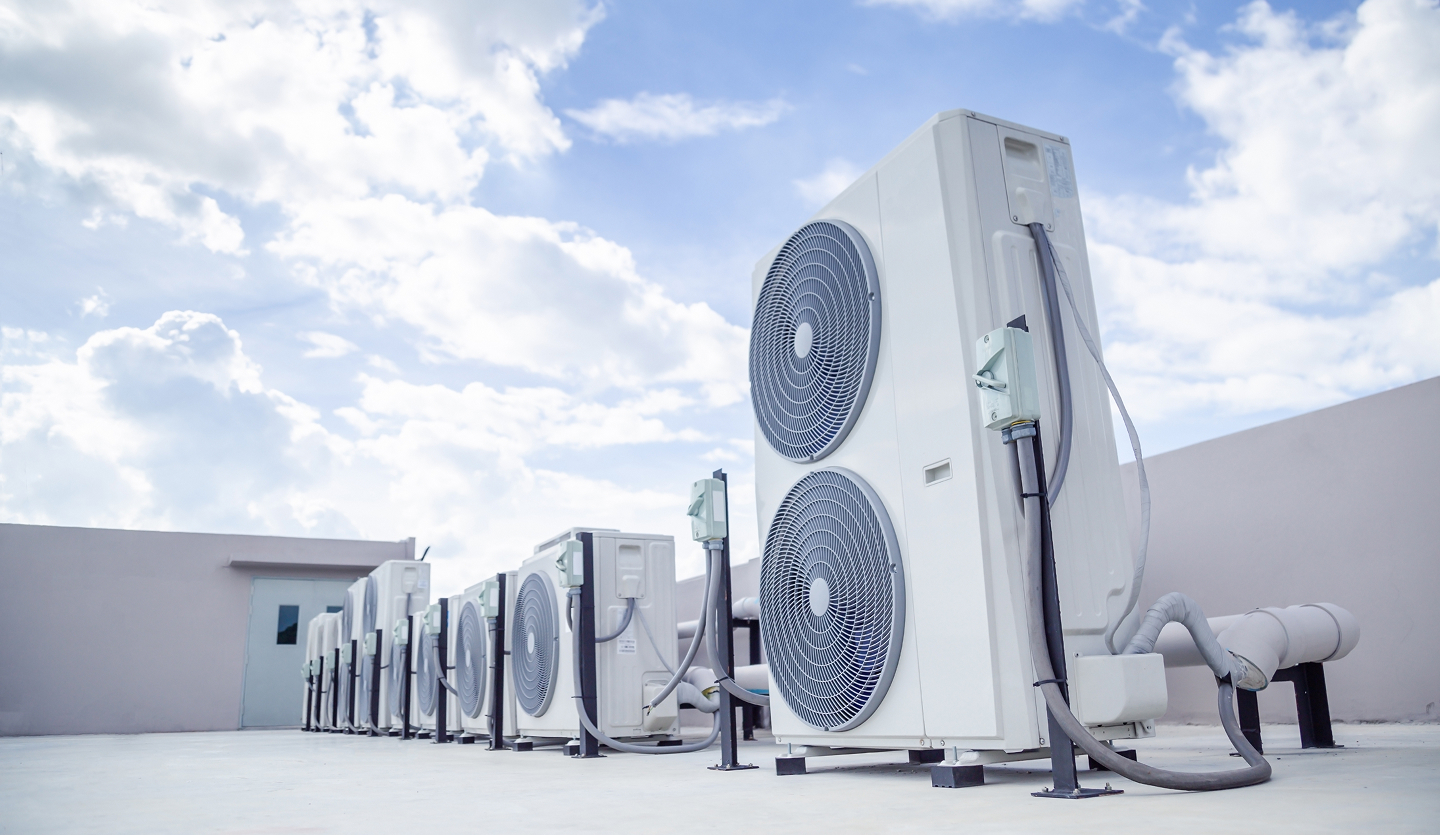
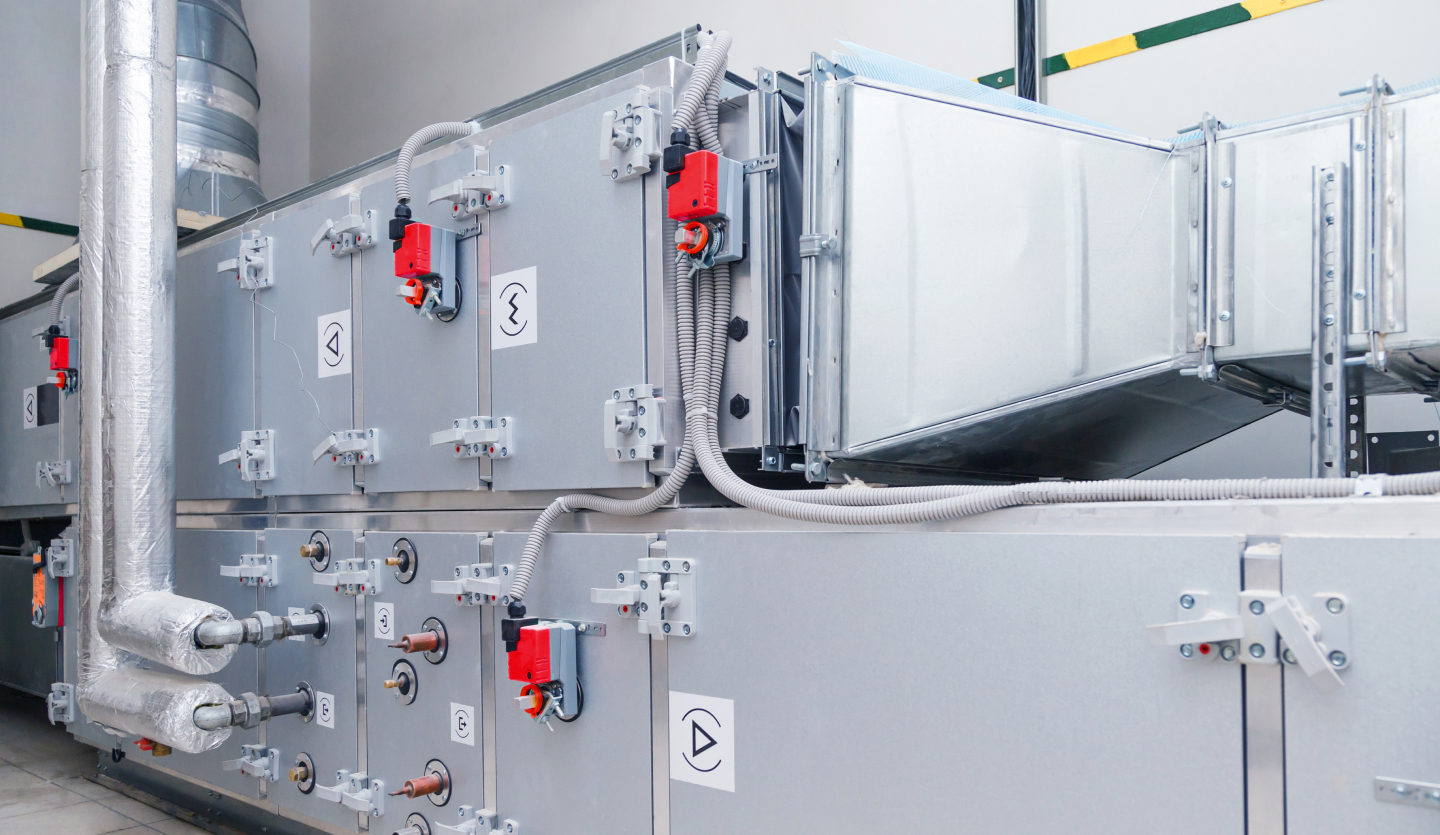
Why reaching ESG goals starts in the Mechanical Room.
Environmental, social and governance goals are shaping how organizations operate, report and invest. And for many companies, the conversation begins with carbon disclosures or board-level commitments.
But the work of hitting targets often starts in a much more practical place: the mechanical room. HVAC systems represent one of the largest sources of energy use in commercial and industrial facilities. They drive operating costs, carbon emissions and even occupant health.
When organizations look for credible ways to make progress on ESG goals, HVAC infrastructure is often the most effective place to begin.
Why HVAC Belongs at the Center of ESG
HVAC systems consume significant energy. In some buildings, heating, cooling and ventilation account for nearly 50% of utility costs. This direct tie to energy use makes HVAC a primary lever for reducing both operating expenses and carbon footprint.
Poorly performing HVAC also carries risks that reach into the social and governance aspects of ESG. Inadequate ventilation can compromise occupant health, creating liability and reputational issues. Failure to comply with refrigerant regulations exposes companies to fines and audit challenges.
By aligning HVAC operations with ESG strategy, leaders manage risk while creating measurable value.
Connecting HVAC Performance to Environmental Metrics
The environmental side of ESG is where HVAC improvements have the most immediate impact. Key connections include:
- Carbon emissions: Every kilowatt-hour saved through efficient HVAC translates into lower Scope 1 and Scope 2 emissions.
- Water use: Cooling towers and boilers affect water consumption, which is increasingly scrutinized in ESG reporting.
- Refrigerant management: Phasing out high global-warming-potential refrigerants directly supports environmental compliance.
- Indoor air quality: Better air filtration improves health outcomes while demonstrating responsible environmental management.
Each of these areas can be measured, reported and tied directly to ESG frameworks, making HVAC improvements defensible and auditable in sustainability reports.
Social Implications Inside the Building
While environmental metrics often get the spotlight, HVAC systems also influence the social dimension of ESG. Employees, patients, students and visitors all experience the environment created by HVAC performance.
- Poor temperature control affects comfort and productivity.
- Inadequate ventilation impacts health and safety.
- High noise levels from outdated systems create a distracting environment.
Addressing these issues through modernization and monitoring shows a commitment to the well-being of occupants, a key pillar of the social agenda.
Governance and Risk Management
Governance in ESG often comes down to risk mitigation and compliance. HVAC systems play a direct role here as well.
- Regulatory compliance: Refrigerant tracking, emissions standards and indoor air quality requirements fall under HVAC oversight.
- Data integrity: ESG disclosures require accurate reporting, which depends on reliable monitoring systems in mechanical rooms.
- Accountability: Clear procurement standards and vendor scorecards tied to HVAC performance ensure organizations meet governance commitments.
By embedding HVAC considerations into governance frameworks, companies reduce compliance risk while strengthening the credibility of their ESG programs.
Where Silent Risks Hide
Mechanical rooms often hide silent risks that undermine ESG progress. A sensor out of calibration creates inaccurate energy data. A leaking chiller increases refrigerant emissions that go unreported. Filters past their useful life compromise indoor air quality.
These issues do not always trigger alarms. They show up later in inflated utility bills, failed inspections or missed ESG targets. Regular audits and modern monitoring systems are essential for uncovering these risks before they compromise performance.
Modernization as a Catalyst for ESG
Upgrading HVAC systems is one of the most powerful steps organizations can take toward meeting ESG commitments.
Benefits of modernization include:
- High-efficiency equipment that reduces energy and emissions at scale
- Smart controls that optimize performance based on occupancy and real-time conditions
- Remote monitoring platforms that track compliance data and provide audit-ready reports
- Electrification strategies that phase out fossil fuel–based systems
These upgrades transform mechanical rooms from hidden liabilities into active contributors to ESG goals.
The Role of Continuous Monitoring
Modernization is a first step, but ongoing monitoring ensures that performance improvements last. ESG reporting depends on accurate, consistent data and continuous monitoring platforms provide the visibility into HVAC operations that allows organizations to validate claims with hard evidence.
With continuous monitoring, facility teams can:
- Track energy use in real time
- Detect refrigerant leaks before they escalate
- Maintain air quality standards tied to occupant health
- Benchmark performance across a portfolio of facilities
This visibility makes ESG reporting more credible and positions HVAC improvements as ongoing strategic investments.
Procurement and Supplier Alignment
Procurement decisions play a direct role in aligning HVAC with ESG. Selecting the right partners, equipment and service providers ensures that systems meet both performance and compliance expectations.
Contracts should incorporate:
- Requirements for energy efficiency certifications
- Provisions for refrigerant management and reporting
- Service-level agreements that tie maintenance to ESG outcomes
By embedding ESG into procurement, organizations ensure that every supplier supports long-term sustainability and governance commitments.
Practical Steps for Leaders
Organizations ready to connect HVAC and ESG can begin with practical, actionable steps:
- Audit mechanical rooms to identify inefficiencies, outdated equipment and compliance gaps.
- Establish baselines for energy use, carbon emissions and refrigerant tracking.
- Implement monitoring tools that provide real-time visibility into HVAC performance.
- Develop modernization roadmaps that prioritize high-impact upgrades.
- Align procurement policies with ESG reporting requirements.
These steps create measurable progress while building the foundation for long-term resilience.
From Compliance to Competitive Advantage
ESG programs are often framed as regulatory or reputational necessities, but HVAC improvements offer something greater. They reduce operating costs, protect occupant health and extend equipment life. They provide reliable data for reporting and audits.
Most importantly, they align infrastructure with strategic goals that matter to investors, clients and communities.
When organizations begin their ESG journey in the mechanical room, they create outcomes that are visible in balance sheets as well as sustainability reports. HVAC performance becomes a competitive advantage, proving that the path to credible ESG progress runs directly through facility infrastructure.